
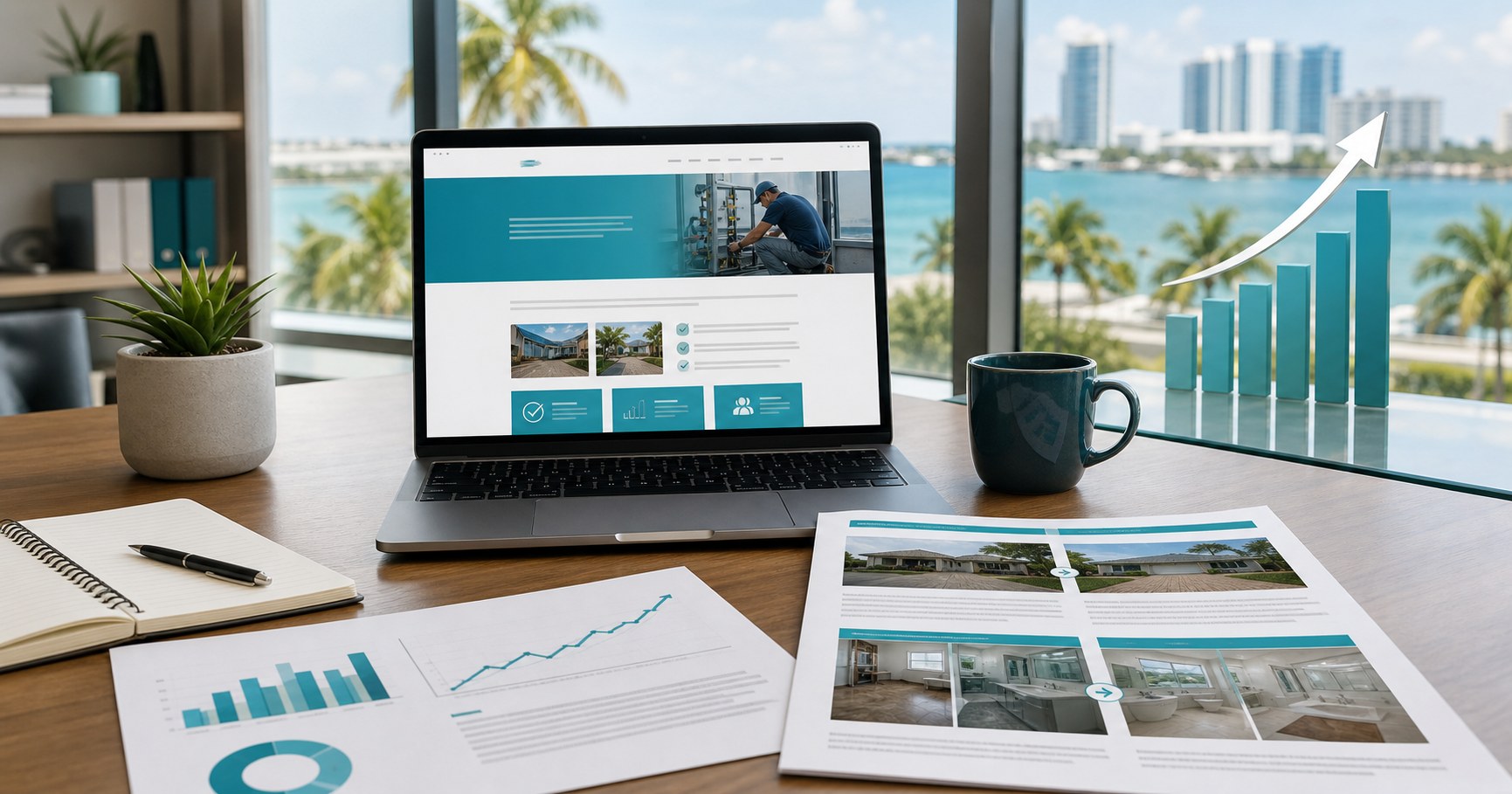
AI can create a page faster than a human can sketch one, but speed does not make it searchable. Search engines still need clear headings, useful copy, strong metadata, and a structure that tells them what the site is about and who it serves.
That is where amateur vibe-coded websites usually fall short. They may have a homepage, a few service pages, and some generic text, but they often miss the deeper structure that helps a local business show up for the right searches and turn that traffic into leads.
Search engines need hierarchy, not just pages
Ranking depends on more than publishing content. Search engines want to understand page intent, topic relationships, and which pages matter most. If the site has weak navigation, vague headings, and random page order, it becomes harder for crawlers and visitors to see the logic.
Professional teams plan the information architecture first. That means service pages, location pages, internal links, FAQs, and supporting content all point in the same direction. The site is easier to crawl because it is easier to understand.
Amateur builds usually miss metadata and intent
Title tags and meta descriptions sound simple, but they shape whether a page gets clicked in the first place. DIY AI sites often use default titles, repetitive wording, or descriptions that read like placeholders instead of search-ready copy.
That hurts both rankings and click-through rate. If a page does not clearly match what the searcher wants, the business loses the chance to be chosen. Professionals write metadata with search intent in mind so the page can compete from day one.
Thin content and weak internal links stall growth
A site that is built quickly often ends up shallow. It may cover the service, but not the objections, proof, FAQs, local context, or next steps that real customers need before they reach out. Thin content does not create trust, and trust is what search visibility ultimately needs to convert.
Internal links matter for the same reason. Good links help users move through the site and help search engines understand page relationships. A professional SEO build connects the dots instead of leaving each page isolated.
SEO has to be baked into the build
The right way to use AI is to speed up research, outlines, and draft copy while a professional team makes sure the page structure, content depth, and technical setup are all working together. That includes headings, image alt text, schema opportunities, speed, and mobile performance.
If you want a site that can actually compete in search, SEO needs to be part of the build from the start. We also recommend reviewing our SEO maintenance checklist after launch so rankings do not decay over time.